
Microneedling Pen Benefits for Skin: Collagen, Lines, and Tone
Microneedling works by prompting the skin’s repair response, not by polishing its surface. A pen uses fine needles to create tiny punctures in the top layer of skin, stimulating collagen and elastin production. Potential microneedling pen benefits for skin include firmer-looking texture and a softer appearance of fine lines, wrinkles, and uneven tone.
It’s natural to wonder whether microneedling pen benefits for skin make this treatment worth exploring, especially when lingering marks or dullness feel persistent. Results depend on the skin concern and the treatment, and microneedling isn’t a quick fix. This guide explains how the process may affect collagen, fine lines and wrinkles, hyperpigmentation, and uneven skin tone, so you can weigh potential benefits against a considered skincare routine.
Table of Contents
Collagen and elastin production
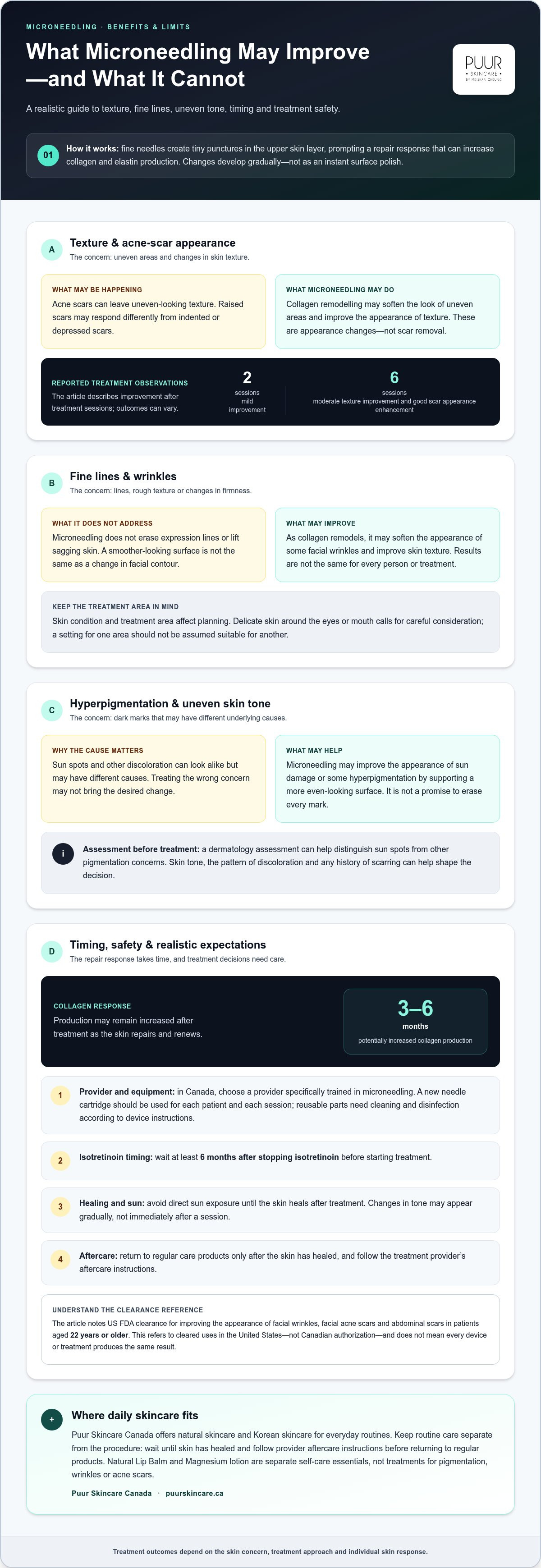
Microneedling pens create tiny punctures in the skin’s upper layer, prompting a controlled repair response. As healing begins, the body sends growth factors to the treated area and increases collagen and elastin production. These proteins support skin structure and flexibility, so the process may improve the appearance of texture and firmness. Microneedling is also known as skin needling or Collagen Induction Therapy (CIT).
The response unfolds gradually. Collagen production may remain increased for 3 to 6 months after treatment, while collagen and elastin naturally decline with age. That timing matters: a smoother appearance develops through skin repair, not an instant surface change. For acne scars, collagen remodelling may help soften the look of uneven areas. Research cited in the brief found mild improvement after two sessions, and moderate texture improvement with good scar appearance enhancement after six sessions.
These outcomes concern appearance, not scar removal. Raised acne scars may respond differently from indented or depressed scars, and a series of treatments may help restore hydration and elasticity in scar tissue. Hyperpigmentation has various causes, so collagen induction alone cannot explain every change in skin tone. The treatment needs to match the concern.
In Canada, choose a provider specifically trained in microneedling, and ask how the device and treatment plan suit your skin concern. A new needle cartridge should be used for each patient and each session. Reusable parts need cleaning and disinfection according to the device instructions.
People should wait at least 6 months after stopping isotretinoin before starting treatment. This waiting period is an important part of deciding when microneedling may be appropriate.
Fine lines and wrinkles
Fine lines often reflect changes in skin structure and surface texture. Microneedling creates tiny punctures that trigger a repair response, including collagen production. Over time, this may soften the appearance of facial wrinkles and improve skin texture. It doesn’t erase expression lines or lift sagging skin. A smoother-looking surface is different from a change in facial contour.
Clinical support includes the US Food and Drug Administration’s clearance of microneedling devices to improve the appearance of facial wrinkles, facial acne scars, and abdominal scars in patients aged 22 years or older. This describes cleared uses in the United States, not Canadian authorization. It also concerns appearance, rather than proof that every device or treatment produces the same result.
Acne scars and neck wrinkles need separate consideration. Scar texture, skin condition, and treatment area affect how a device is used. Clearance for one treatment area should not be taken as evidence for every area. Around the eyes or mouth, delicate skin makes careful treatment planning especially important. Don’t assume a setting suitable for one area is appropriate for another.
Microneedling may reduce the visible depth of some wrinkles as collagen remodels, but it isn’t a treatment for every sign of ageing. Loose or sagging skin involves more than surface texture. Start by identifying the main concern: etched lines, rough texture, acne scars, or laxity. This distinction helps set realistic goals and focus skincare choices on the change you want.
Hyperpigmentation and uneven skin tone
Sun spots and other dark marks can look similar, but hyperpigmentation has different causes. Microneedling may lighten hyperpigmentation and sun damage by encouraging a more uniform-looking skin surface. For discoloration linked to a melanin imbalance, the procedure may support a new skin layer with more even colour and texture. The aim is to improve appearance, not erase every mark.
The cause matters. A dermatology assessment can help distinguish sun spots from other pigmentation concerns before considering microneedling. Skin tone, the pattern of discoloration, and any history of scarring help shape the decision. Treating the wrong concern may not achieve the desired change, so a clear assessment is a useful first step.
Microneedling is a minimally invasive procedure, not a surface polish. Fine needles puncture the upper skin layer and start a healing response. This may help even the appearance of skin tone, but pigment concerns do not all have the same cause. A procedure intended for sun damage, for example, may not suit discoloration with another cause. Avoid direct sun exposure until the skin heals after treatment.
Changes can take time to notice because the skin needs to heal and renew. Sun spots or uneven tone may appear to shift gradually rather than immediately after a session. Microneedling pen benefits for skin depend on the concern, treatment approach, and the skin’s response. Consider these factors when setting expectations before choosing a cosmetic procedure.
Puur Skincare Canada: Natural skincare
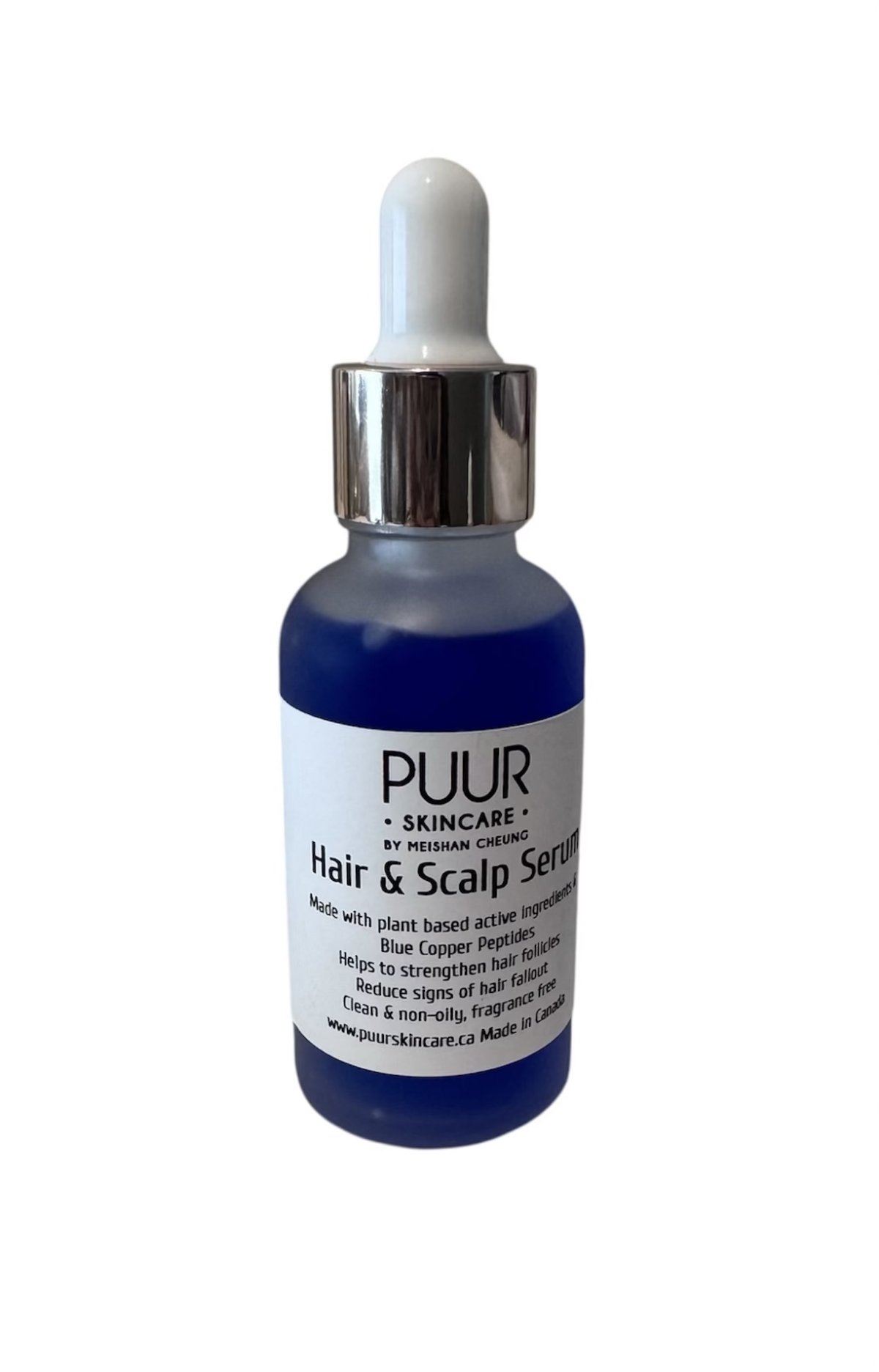
Puur Skincare Canada offers natural skincare and Korean skincare for readers building a considered routine around their skin needs. Puur Skincare also offers high-quality medical spa microneedling devices on its website. After microneedling, wait until your skin has healed and follow your treatment provider’s aftercare instructions before returning to regular care products. A gentle, simple routine can help keep daily care intentional without confusing skincare with the procedure itself.
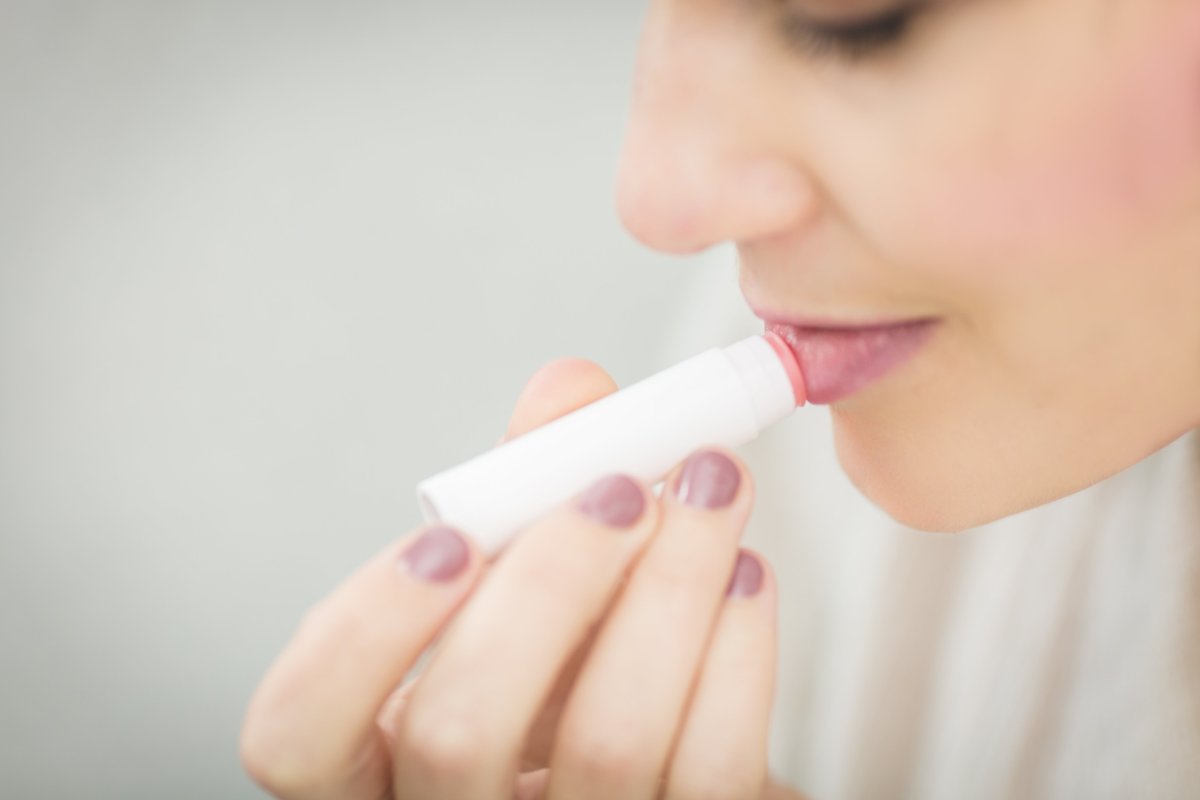
For everyday comfort beyond facial care, the selection also includes Natural Lip Balm and Magnesium lotion. These are separate self-care essentials, not treatments for pigmentation, wrinkles, or acne scars. If you’re ready to explore skincare for your routine, visit Puur Skincare Canada.
Choose a thoughtful next step
Understanding microneedling pen benefits for skin can help you make a considered choice, but a device isn’t a substitute for a steady daily routine. Let your skin’s needs guide what comes next, and keep treatment decisions separate from the care you practise at home. A calm, consistent approach gives you room to notice what suits your skin without adding unnecessary steps.
Puur Skincare Canada offers natural skincare and Korean skincare for everyday routines, along with Natural Lip Balm for simple lip care. Explore these options as part of your personal approach to self-care, not as a replacement for treatment guidance.
Contact Puur Skincare Canada to explore its skincare selection and take your next step at your own pace.
Frequently Asked Questions
What is microneedling?
Microneedling is a cosmetic procedure that uses fine needles to create controlled punctures in the skin. A pen delivers those needles through an electric device, while treatment depth depends on the device and concern. Electric devices may use needles from 0.5 to 2 millimetres long. The process is also called skin needling or Collagen Induction Therapy.
How many sessions of microneedling do I need for acne scars?
Acne-scar treatment is usually planned as a series rather than a single appointment. Doctors may recommend four to six sessions, commonly spaced 3 to 8 weeks apart. Reported findings describe mild improvement after two sessions and moderate texture improvement, with good scar-appearance enhancement, after six. Visible changes may take 3 to 6 months, so assess progress over time.
Are there any risks or side effects?
Temporary redness, swelling, bleeding, bruising, tightness, itching, or peeling can follow treatment. Redness and swelling may last up to five days, while other skin effects often settle over days or weeks. Contact a healthcare provider if swelling lasts longer than a week or bleeding continues beyond 24 hours. Follow the treating provider’s aftercare instructions and report persistent symptoms.
What are the risks associated with microneedling devices?
Reusing a needle cartridge can cause or spread infection. Use a new cartridge for every person and each treatment, and clean reusable parts according to device instructions. The US Food and Drug Administration has not cleared microneedling devices for use with creams, ointments, cosmetics, drugs, or platelet-rich plasma. Don’t assume a product should be applied through a device.
What is the optimal care for skin after microneedling?
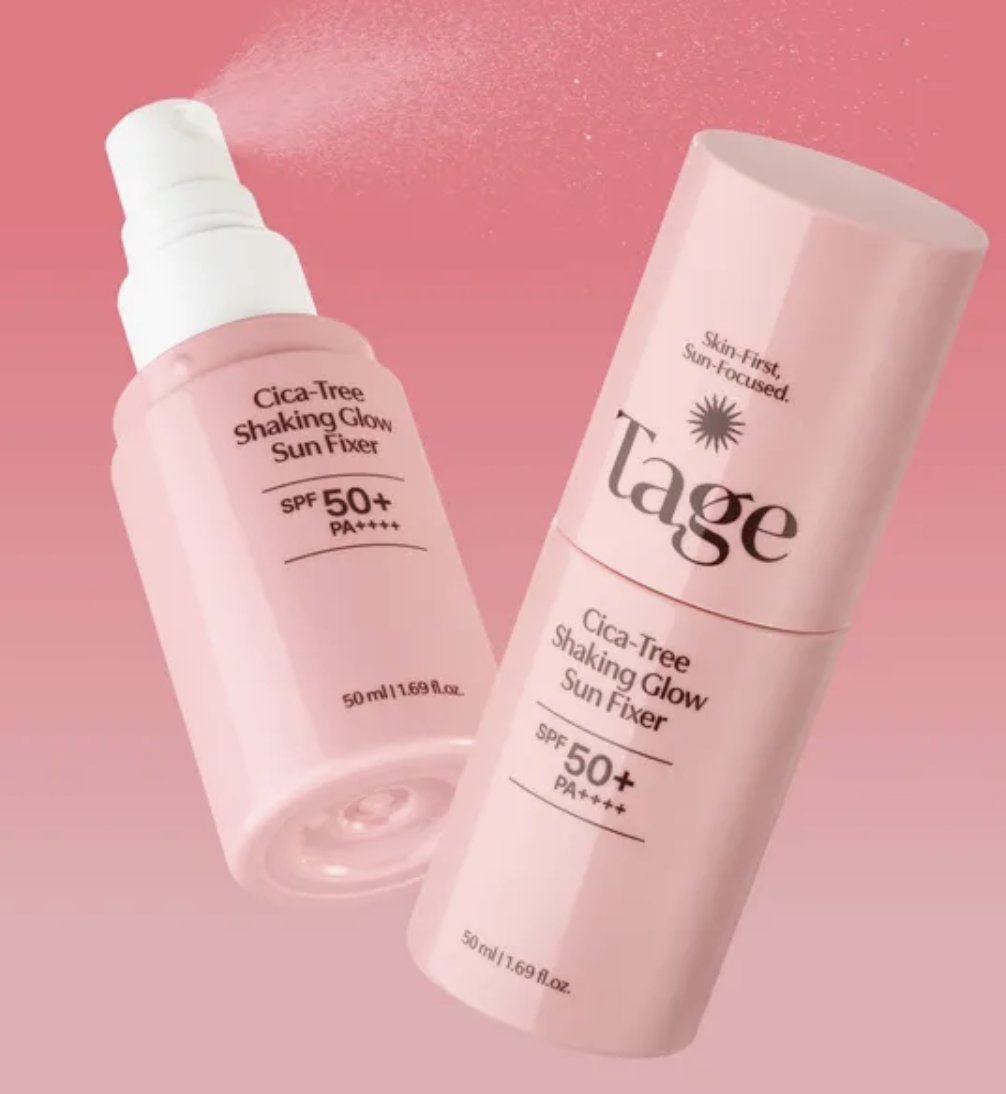
Keep aftercare simple: follow the treatment provider’s instructions, use a hydrating moisturizer, and protect skin with SPF 30 or higher. Avoid direct sun until skin heals; dermatologists typically recommend waiting one week before sun exposure or harsh chemicals. Resume a regular skincare routine after 24 to 48 hours, while avoiding abrasive or irritating products during recovery.
Comments